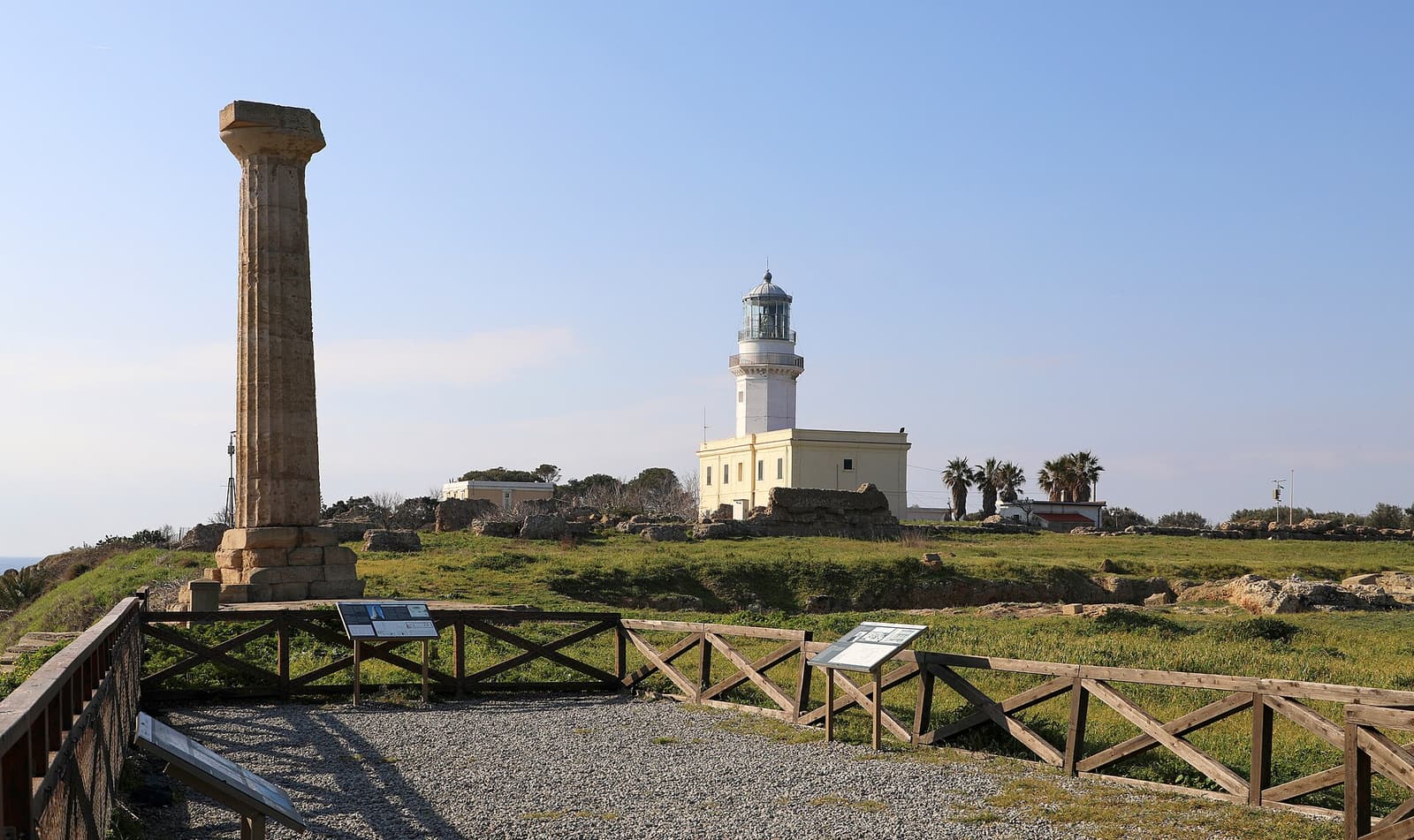
On a low, wind-scoured promontory about 11 kilometres south-east of Crotone stood the sanctuary of Hera Lacinia, one of the most famous holy places of the Greek West. Sailors rounding the cape steered by its gleaming temple; cities of Magna Graecia met here; according to ancient writers Hannibal left an inscription recording his campaigns in the sanctuary before sailing home to Africa.
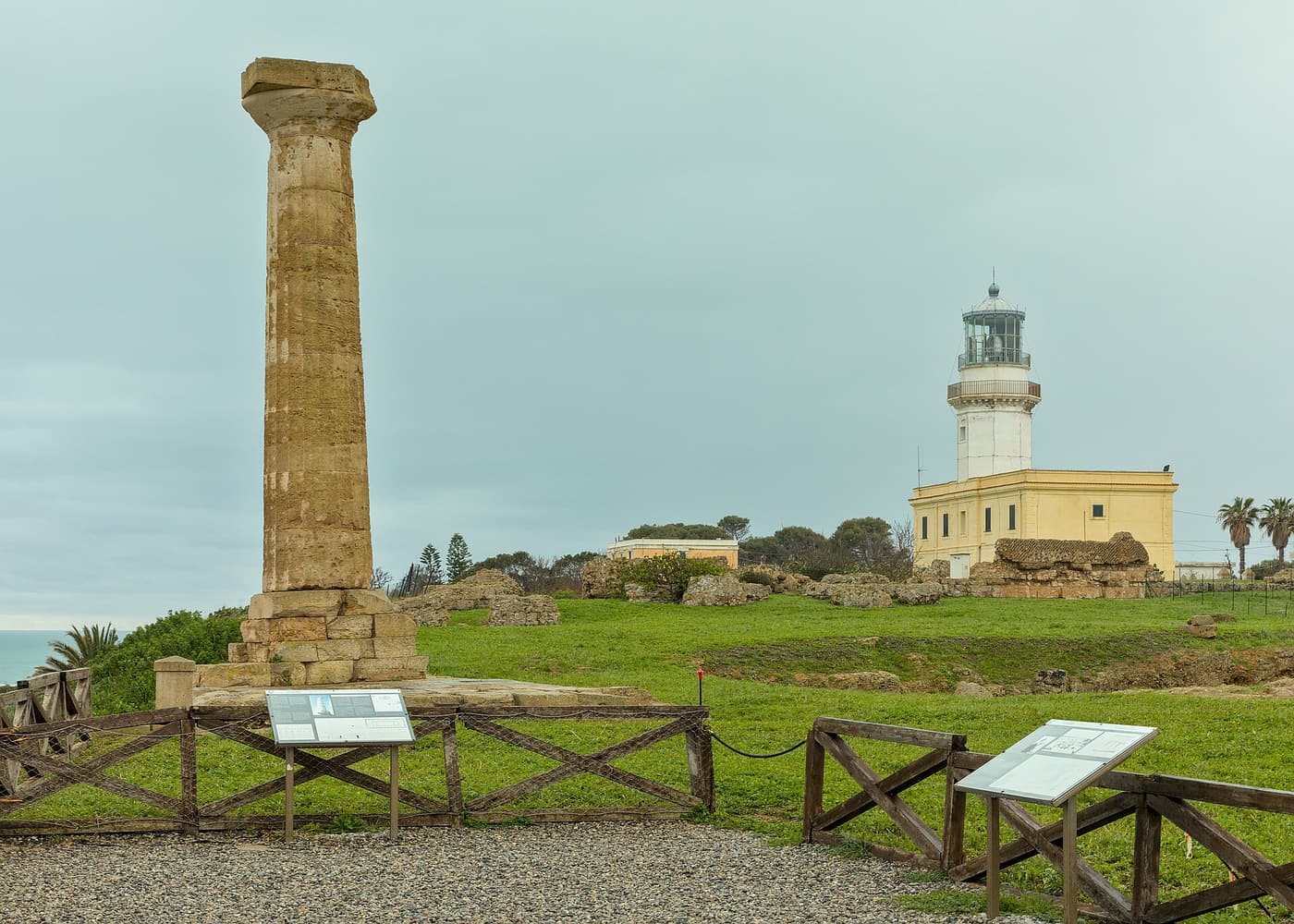
The great Doric temple was built in the 5th century BC. It survived, battered, into the modern age — part of it was dismantled for building stone in the 16th century, and an earthquake in 1638 brought down one of the last two columns. The one that remains, a little over eight metres high and standing on a fragment of the temple platform at the very edge of the sea, gave the cape its name and became the symbol of Crotone.
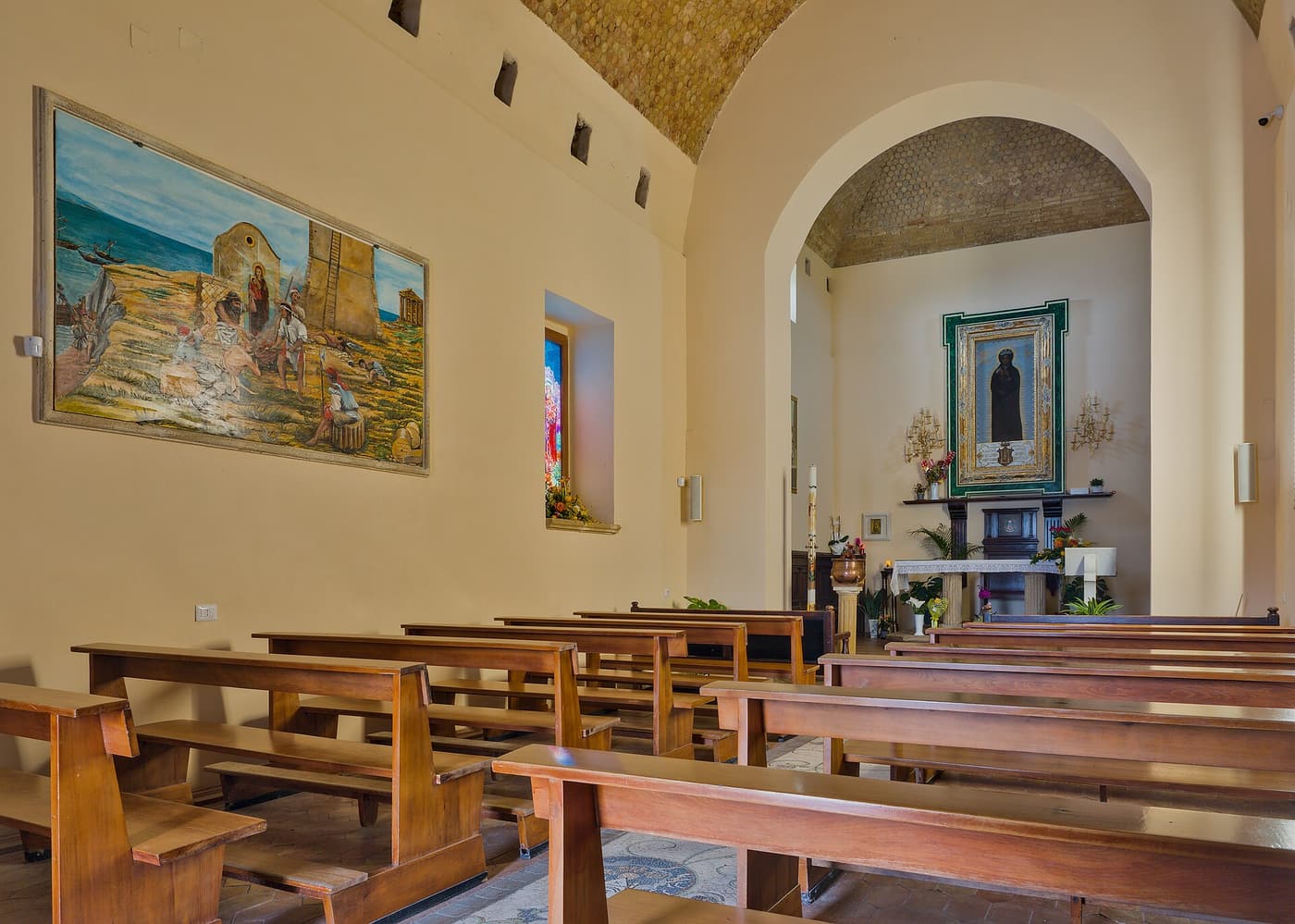
Today the column stands inside the Capo Colonna Archaeological Park: a broad fenced area of excavated sacred buildings and Roman houses, a belt of Mediterranean scrub, a modern museum, the small pilgrimage church of the Madonna di Capo Colonna and the 16th-century Torre Nao.
Top things to do at Capo Colonna
Walk the Sacred Way to the column
A path leads from the entrance through the excavated area — the remains of the buildings that served pilgrims, stretches of the Roman-period settlement and the sanctuary wall — to the temple platform. You cannot touch the column, but the fenced viewpoint brings you close, with the open Ionian behind it.
Visit the park museum
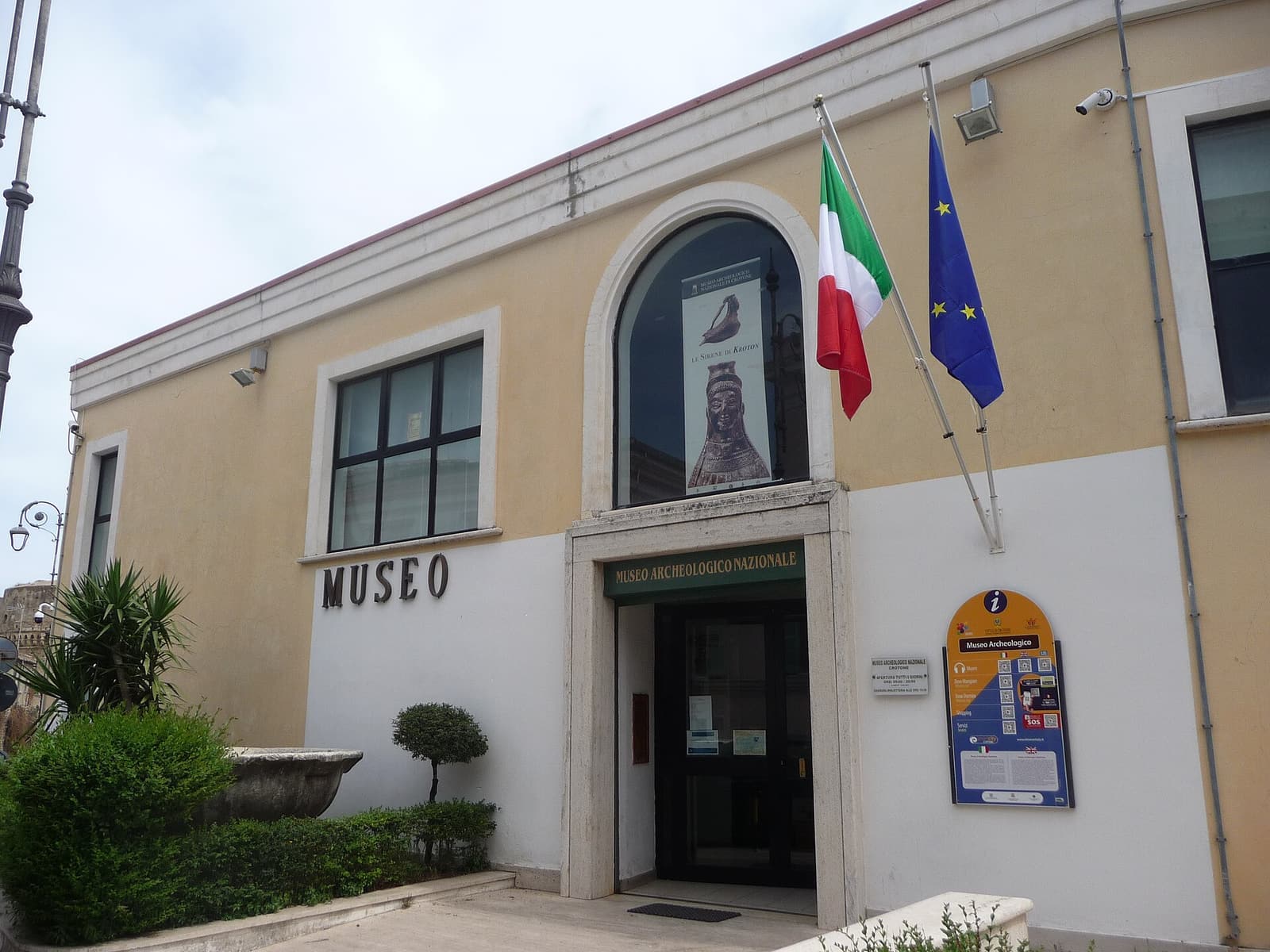
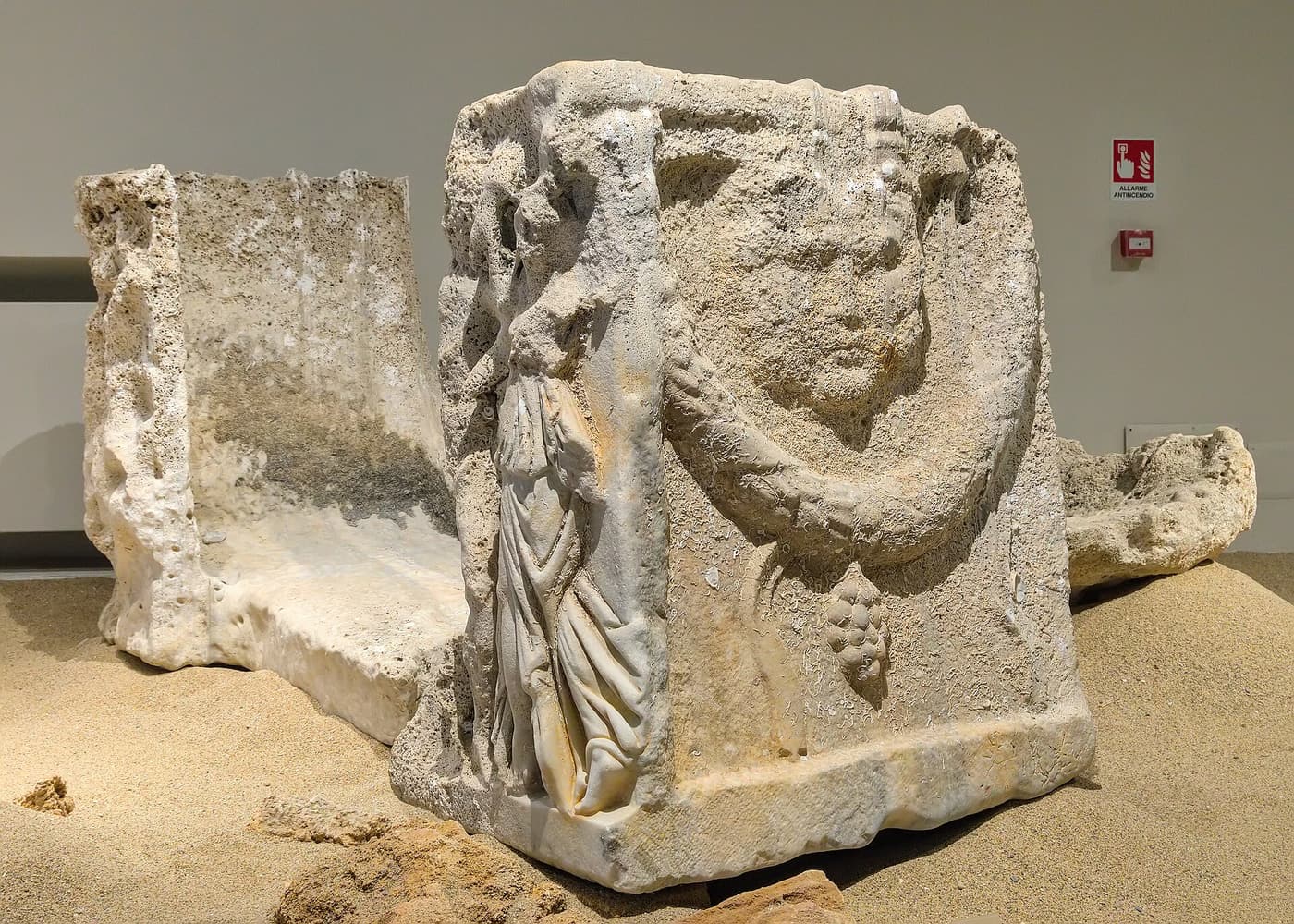
The low modern museum near the entrance explains the sanctuary with finds from the cape and from shipwrecks along this coast, including marble cargoes lost at sea. The most precious objects, the Treasure of Hera, are in the National Archaeological Museum in town — see both for the full picture.
See the sanctuary church and Torre Nao
At the tip of the cape a small church keeps a copy of the icon of the Madonna di Capo Colonna; the original is in Crotone’s cathedral and returns here in procession every May. Next to it rises Torre Nao, one of the watchtowers built against corsair raids in the 16th century.
Come for sunrise or the last light
The cape faces east, so dawn puts the sun directly behind the column. Late afternoon gives warm side-light on the stone and far fewer people. Midday in summer is hot and shadeless.
How to get to Capo Colonna
- By car: follow the coast road south from Crotone’s lungomare; the drive takes about 20 minutes and there is parking near the entrance.
- By bus: a city bus has linked Crotone with Capo Colonna in season, but services are infrequent — check the current timetable locally before relying on it.
- By tour: the private Capo Colonna, Santa Severina and Le Castella tour includes the transfer.
- By bike: the coast road is scenic but has some traffic and little shade; go early.
Insider tips
- Admission to the park and its museum has generally been free, but opening hours vary by season and the museum is usually closed one day a week — check before you go.
- Bring water, a hat and sunscreen: there is very little shade on the headland.
- The coves on the way — such as the beach below the tower at Scifo — are good for a swim after the visit.
- Allow about two hours for the park and museum together.
Best tours & tickets for Capo Colonna
These experiences pair well with a visit to Capo Colonna:
 Private day tour from €150
 Capo Colonna, Santa Severina & Le Castella: Private History and Seaside Tour
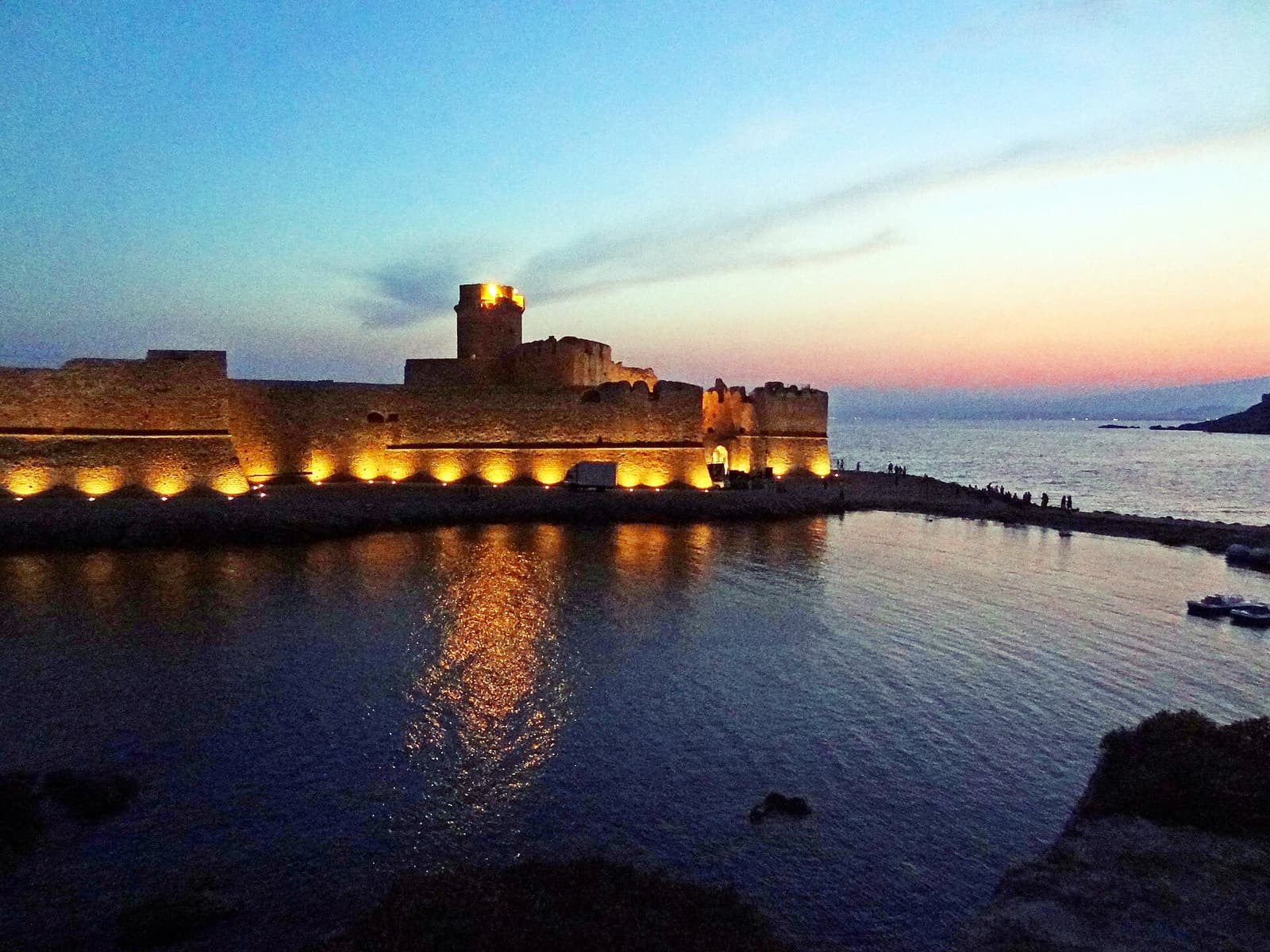
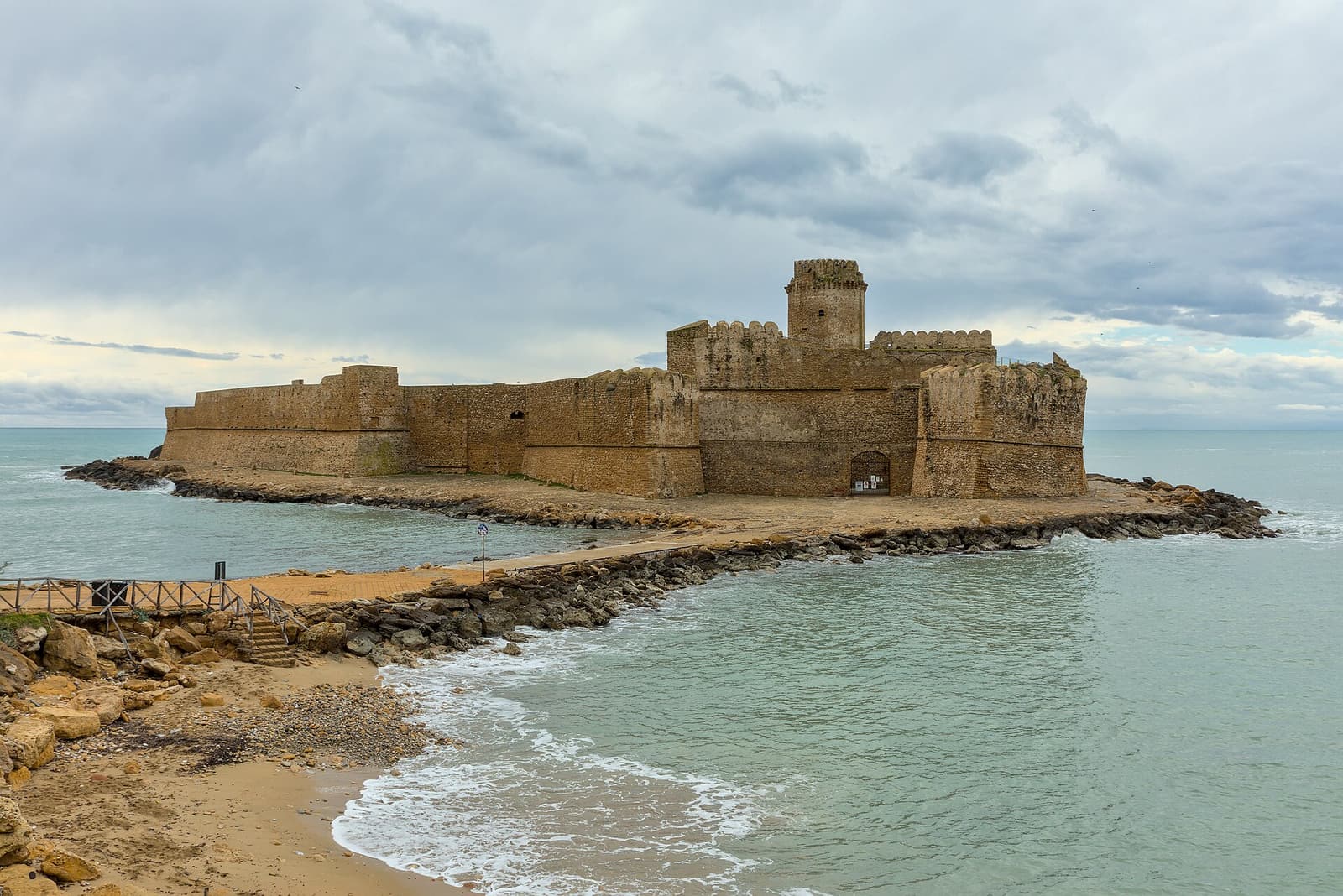
The one tour that strings together the three great sights of the province in a single day, with a private driver doing the hard part. You go from the Greek sanctuary on the cape to the baptistery and castle of Santa Severina, then down to the fortress in the sea at Le Castella. Without a car it is the only practical way to see all three.
- The Doric column of Hera Lacinia at Capo Colonna
- The Byzantine hill town of Santa Severina
- The sea fortress of Le Castella
 Private walking tour from €340 per group
 Crotone Walking Tour: Magna Graecia and Ancient Kroton
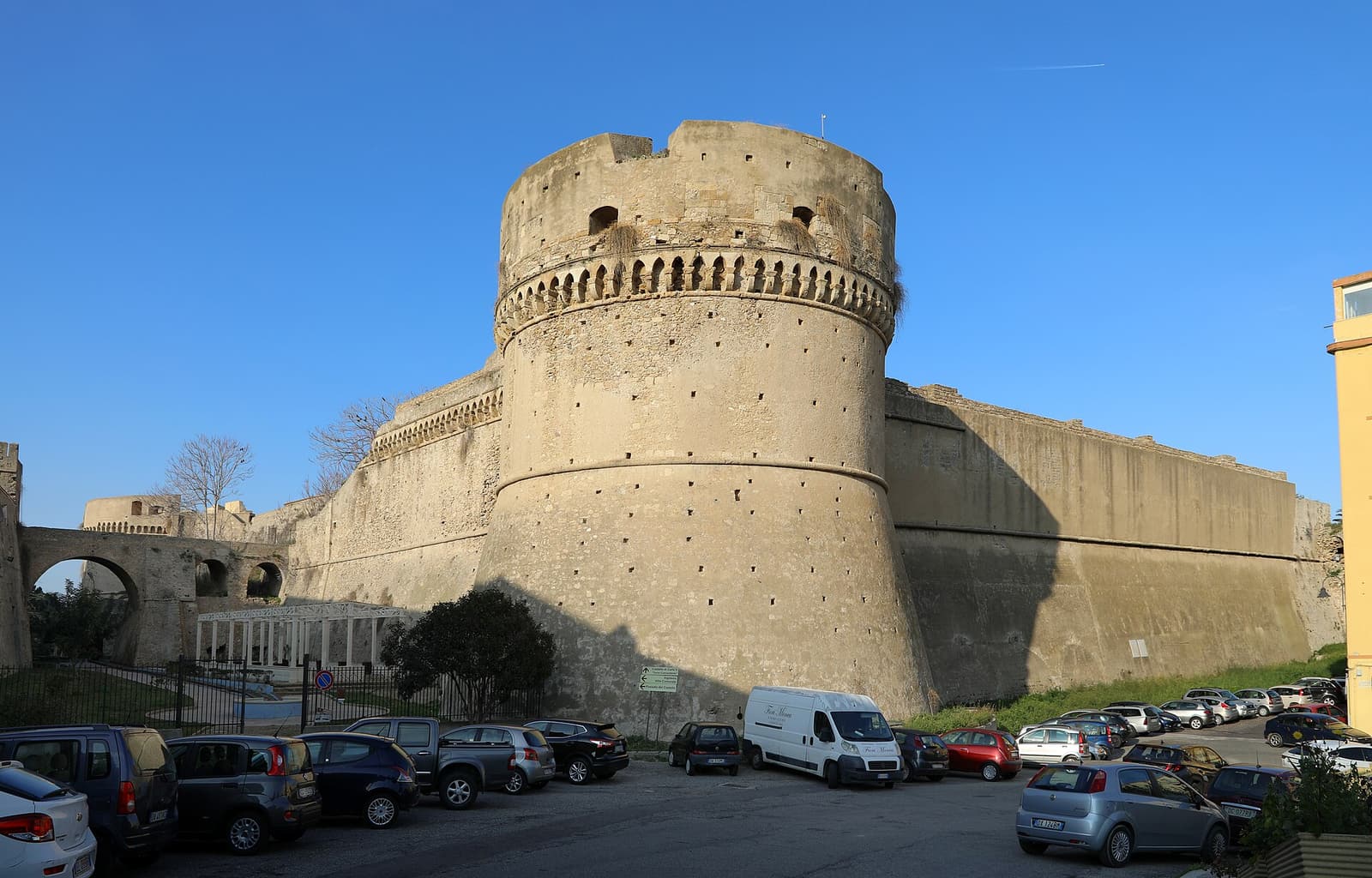
A private guide walks you through the old town and explains what you cannot see for yourself: where the Greek city stood, why Pythagoras came here, how the Spanish fortress reshaped the hill. The price is per group — up to 25 people — so it is good value for families and groups, less so for a couple.
- The story of Pythagoras, Milo and ancient Kroton
- The castle of Charles V and the cathedral from outside
- Piazza Pitagora and the waterfront