Crotone rewards people who look beyond the first impression of a modern port. In the city itself are the museum, the castle and the cathedral of the Black Madonna; a short drive brings you to Capo Colonna and its solitary column. Along the coast lie Le Castella and the coves of the marine reserve; inland, Santa Severina, the vineyards of Cirò and, higher still, the lakes and forests of the Sila. Each place below has its own guide covering what to do, how to get there and what to know before you go.
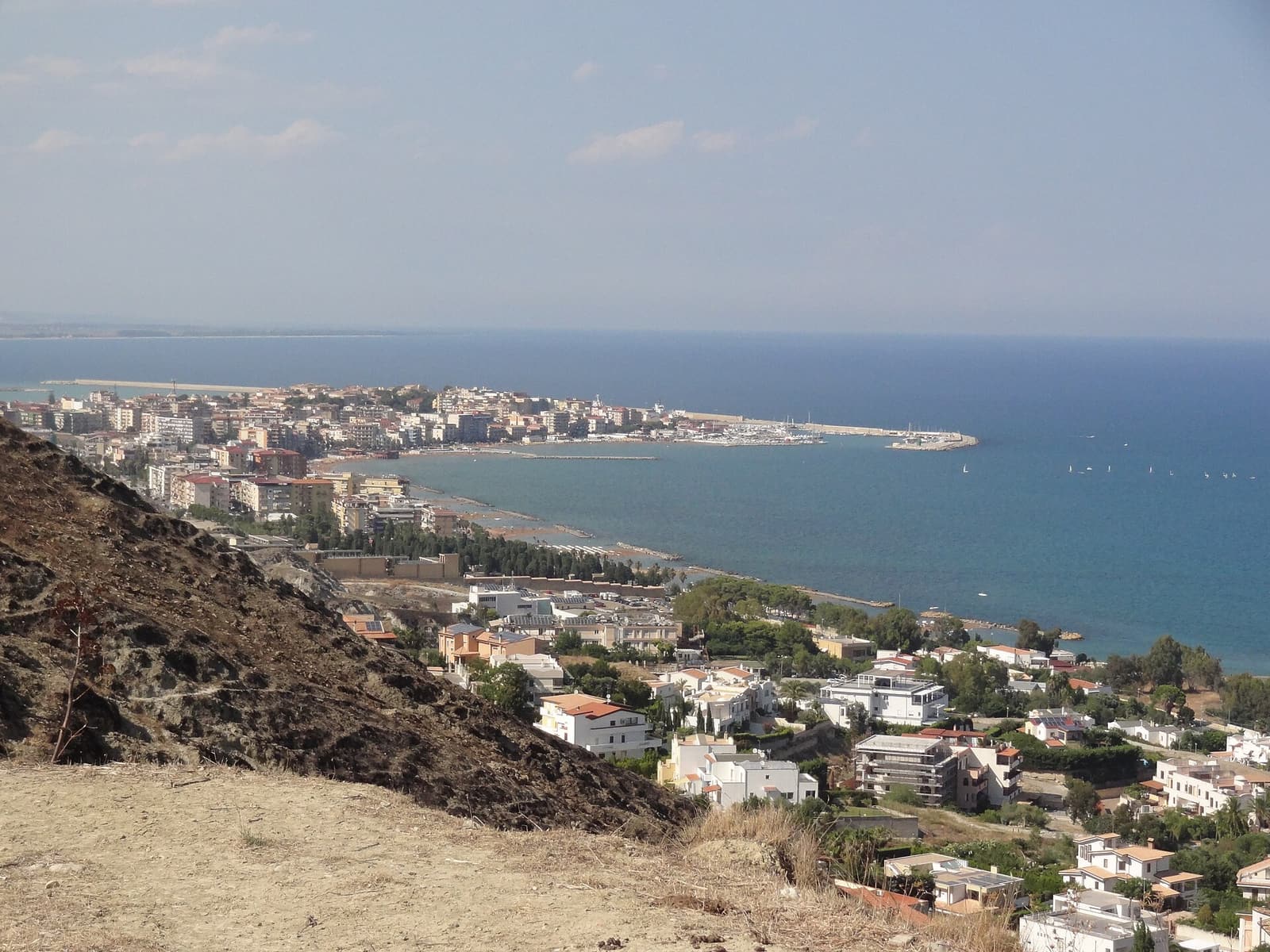
Things to See in Crotone & Around
Twelve places, from a Greek sanctuary on a cape to canyons in the mountains.
Crotone city & Capo Colonna
 Crotone city & Capo Colonna
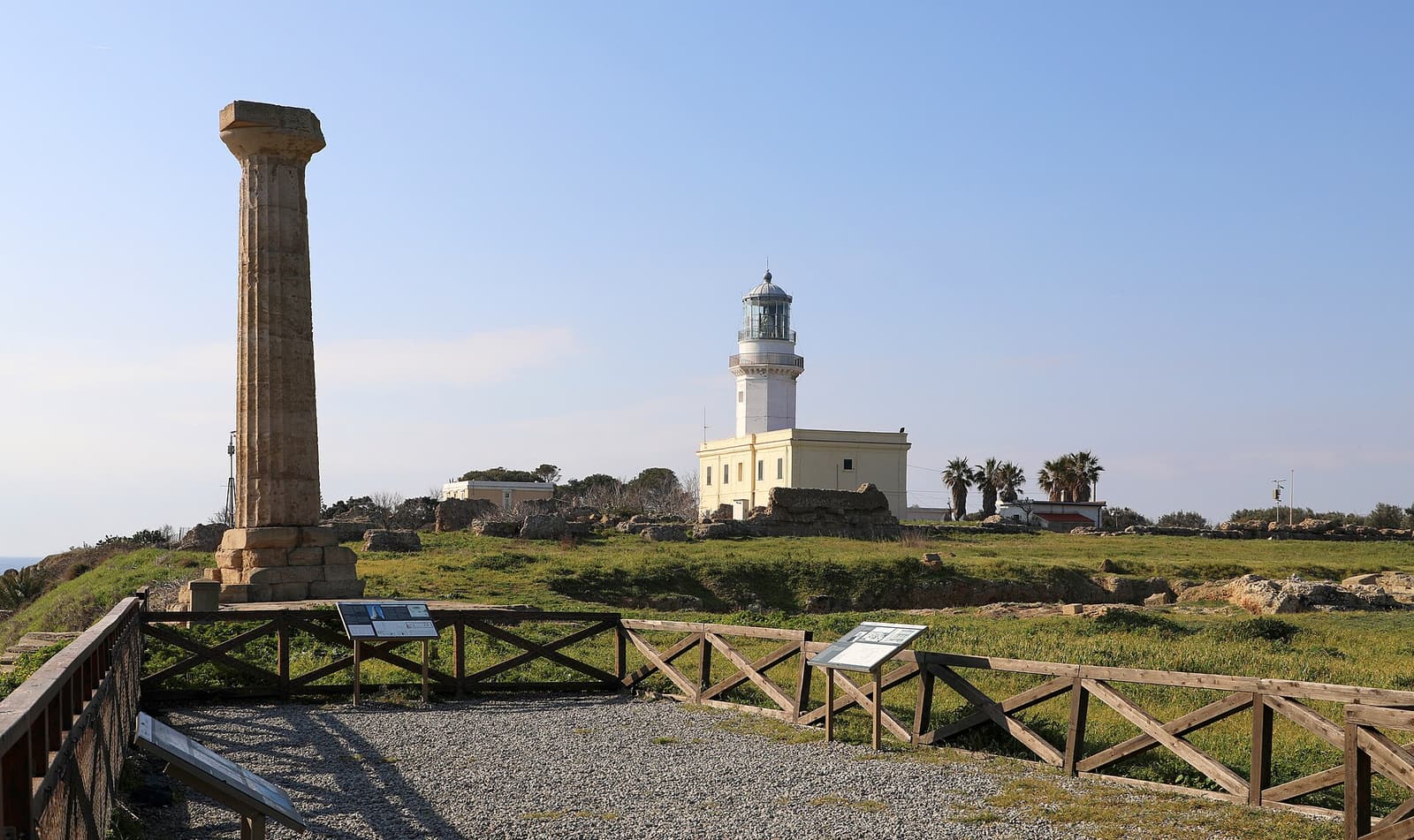
 Capo Colonna
One Doric column above the Ionian Sea
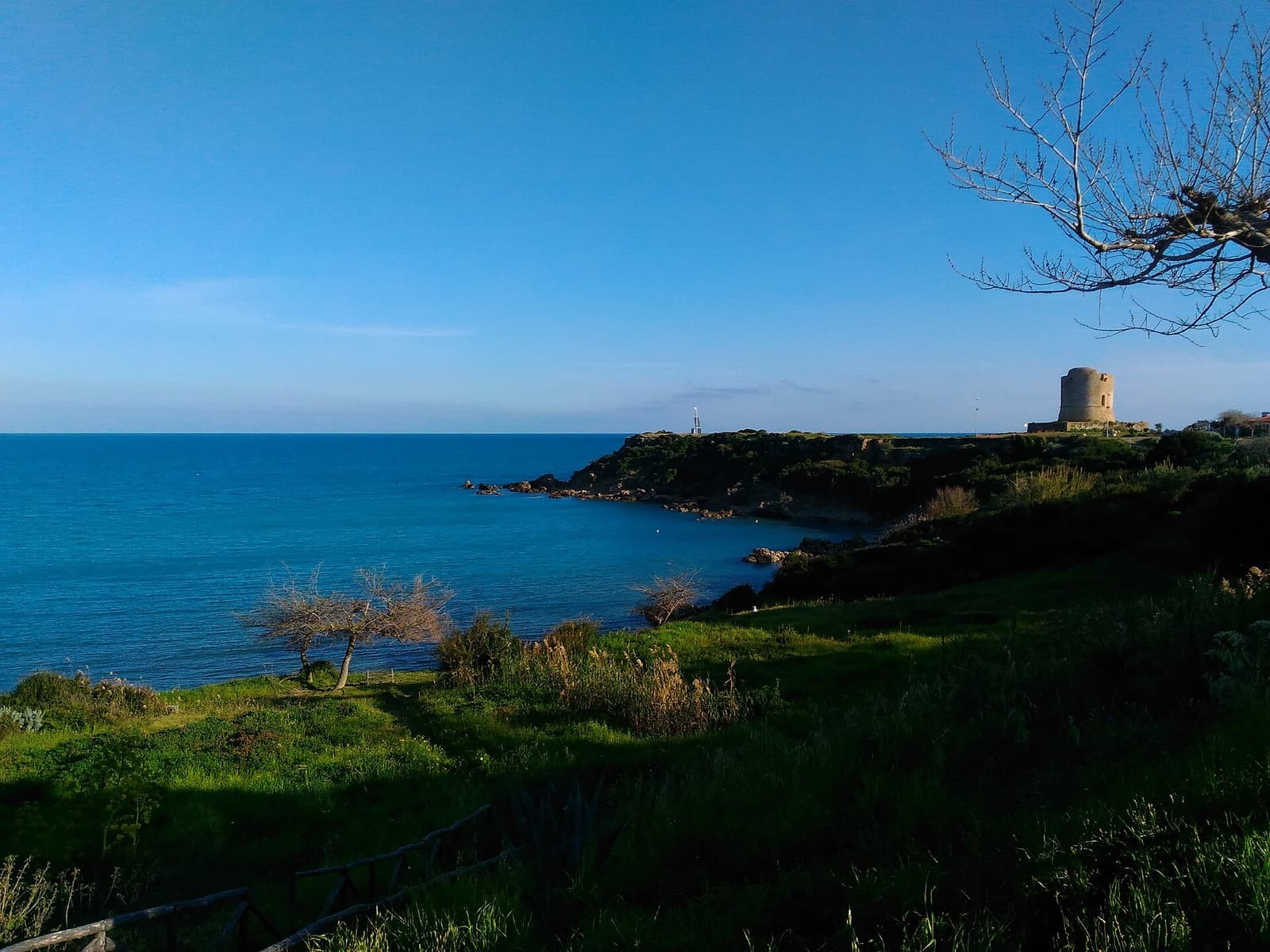
The headland that gave Crotone its emblem: a single standing column of the great temple of Hera Lacinia, once among the most revered sanctuaries of Magna Graecia, set in an archaeological park with a museum, a pilgrimage church and a 16th-century watchtower.
 Crotone city & Capo Colonna
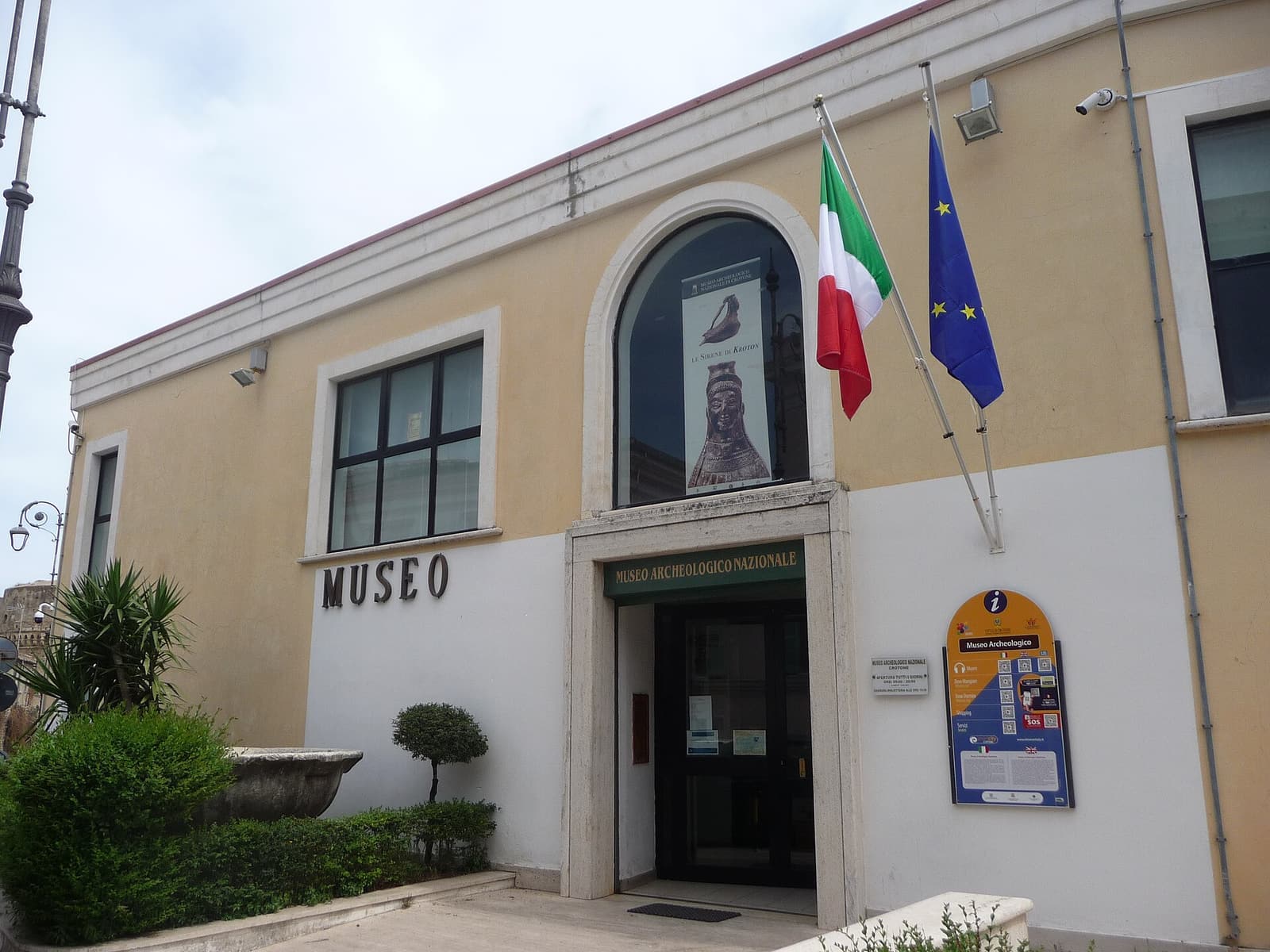
 National Archaeological Museum
Home of the Treasure of Hera
Crotone’s national museum, a few steps from the castle, tells the story of ancient Kroton from prehistory to Rome. Its star is the Treasure of Hera from Capo Colonna — above all a gold diadem of extraordinary delicacy.
 Crotone city & Capo Colonna
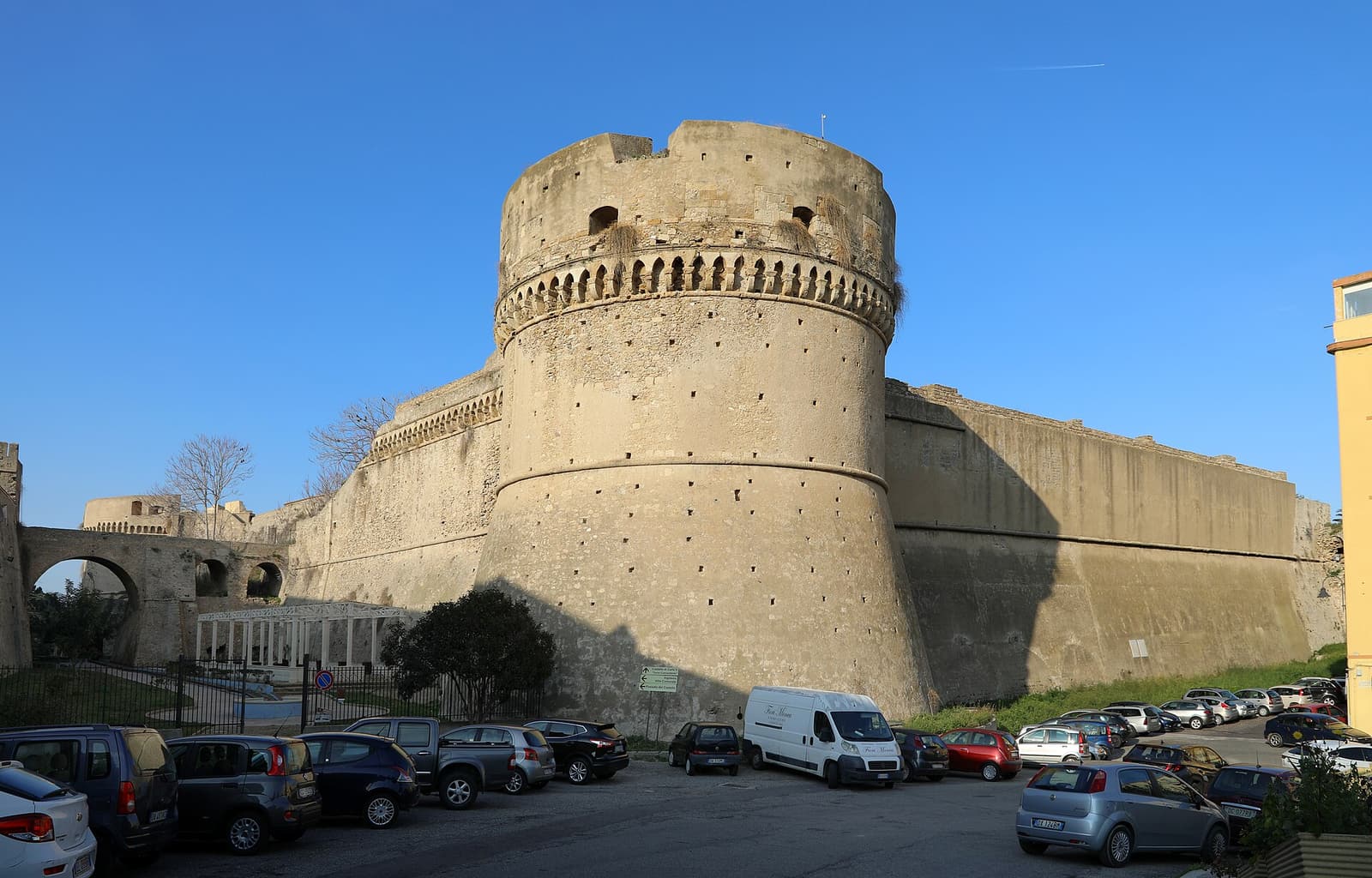
 Castle of Charles V
The fortress that guards the old town
A massive polygonal fortress crowning the old acropolis of Kroton. Founded in the early Middle Ages and rebuilt in the 16th century under Emperor Charles V, it still dominates the port with its two great round towers.
 Crotone city & Capo Colonna
 Old Town & Duomo
Alleys, palazzi and the Black Madonna
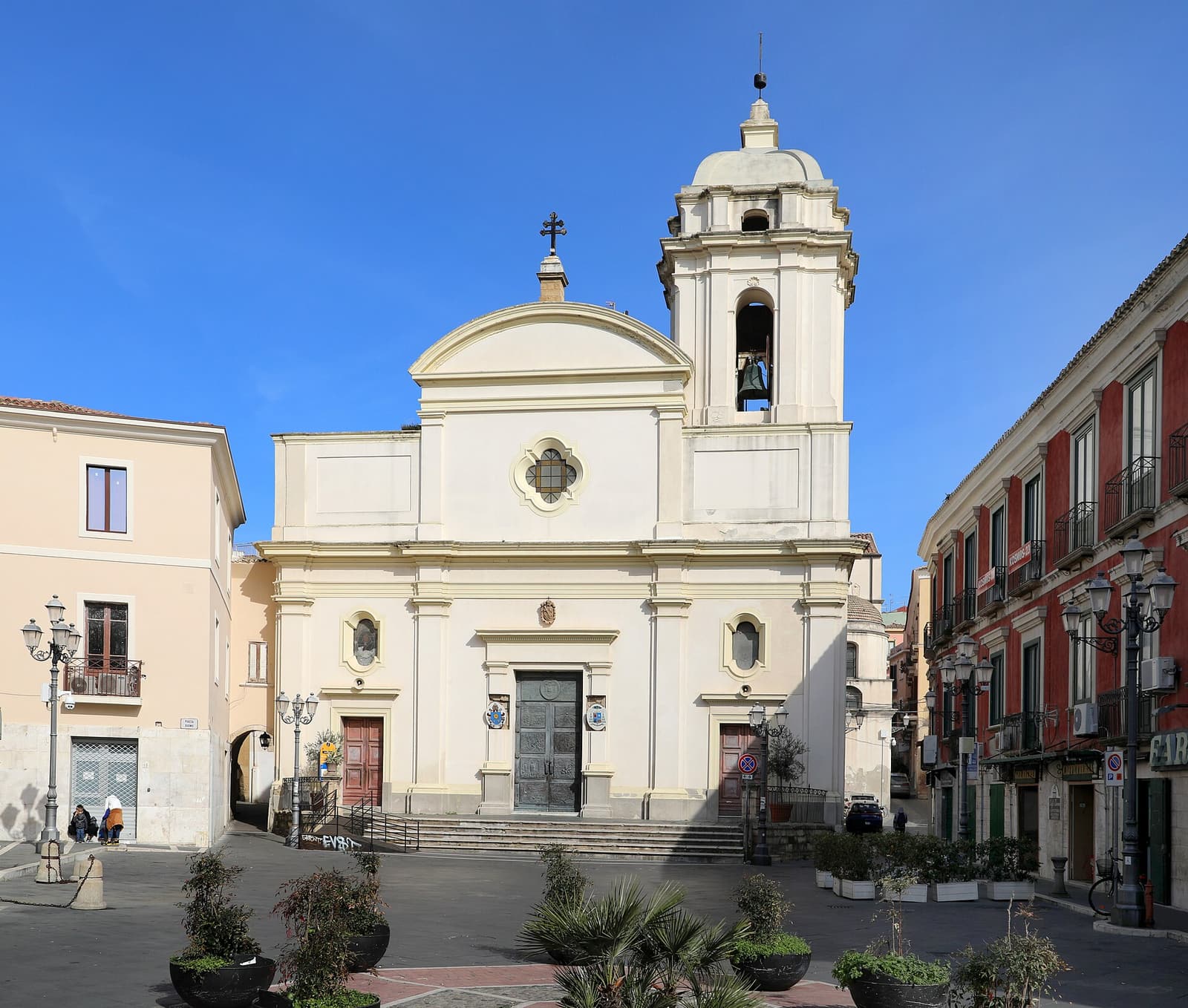
A tight knot of lanes climbing from Piazza Pitagora to the castle, lined with noble palazzi and small churches. At its foot stands the cathedral, which keeps the venerated icon of the Madonna di Capo Colonna — the heart of Crotone’s great May festival.
 Crotone city & Capo Colonna
 Lungomare & City Beaches
Crotone’s seaside living room
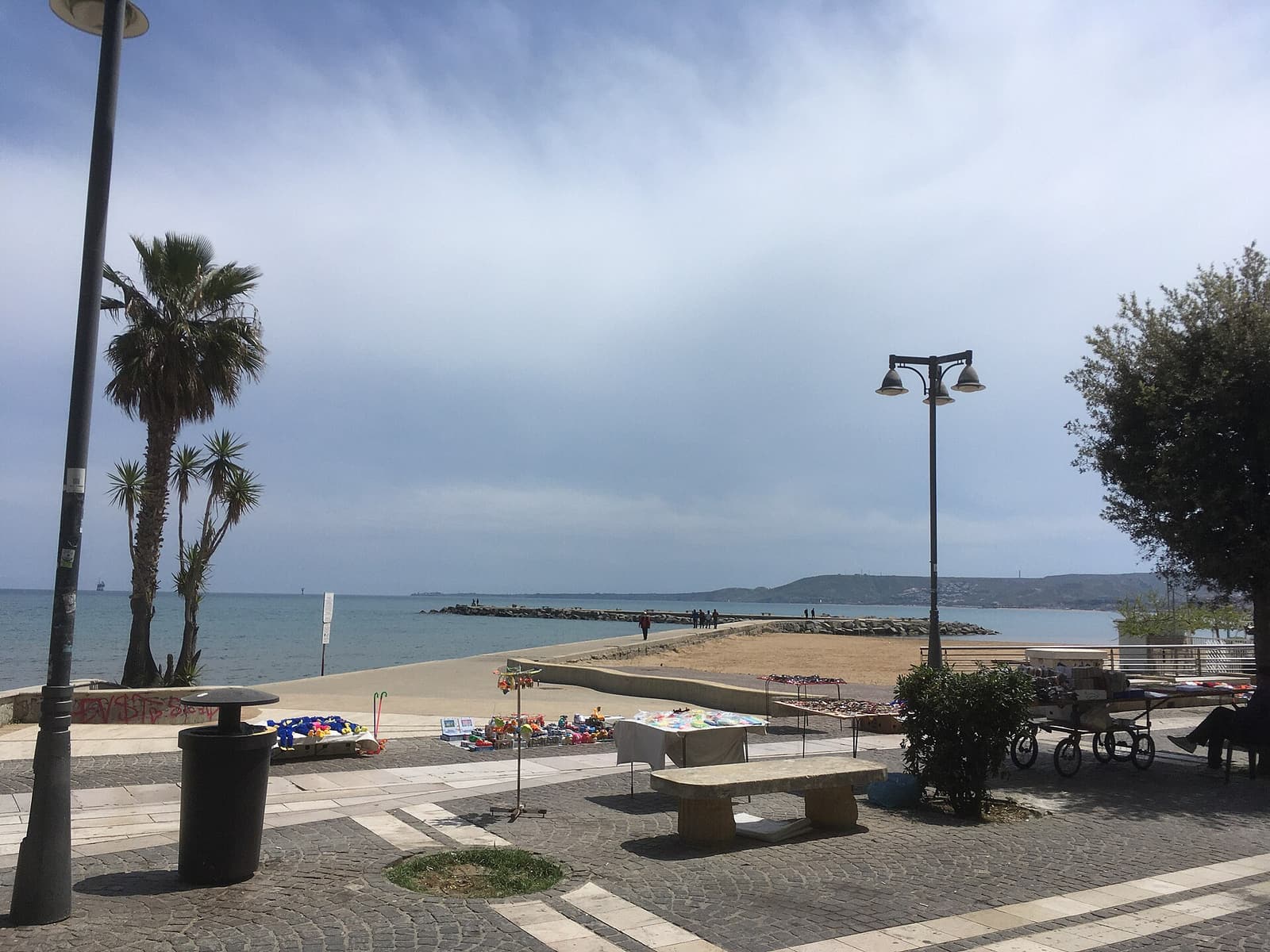
A long promenade runs south from the harbour beside a strip of sandy town beaches, lidos, gelaterie and fish restaurants. This is where Crotone walks at sunset — and where a city break turns into a beach holiday.
The Ionian coast
 The Ionian coast
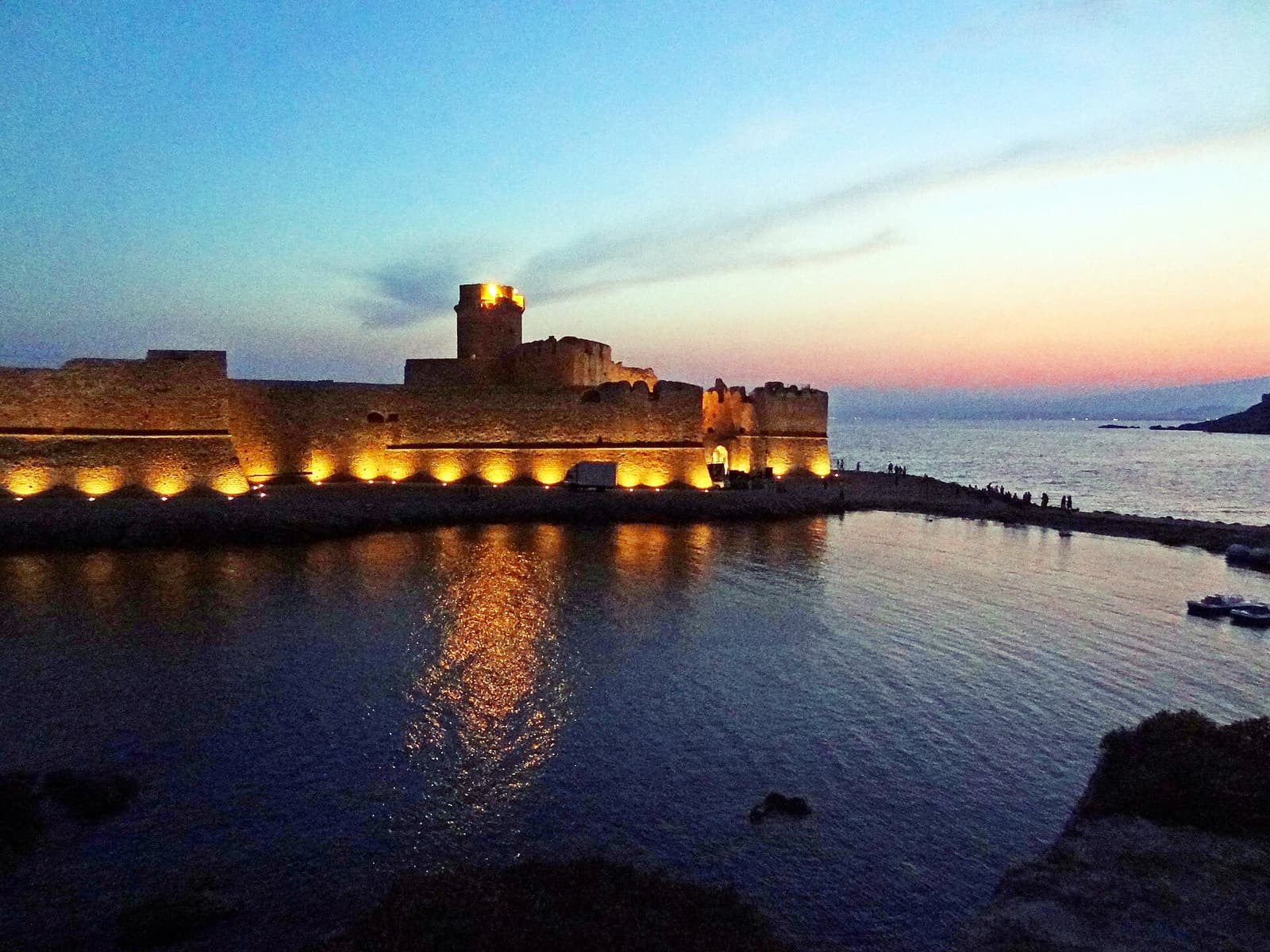
 Le Castella
A fortress that rises out of the sea
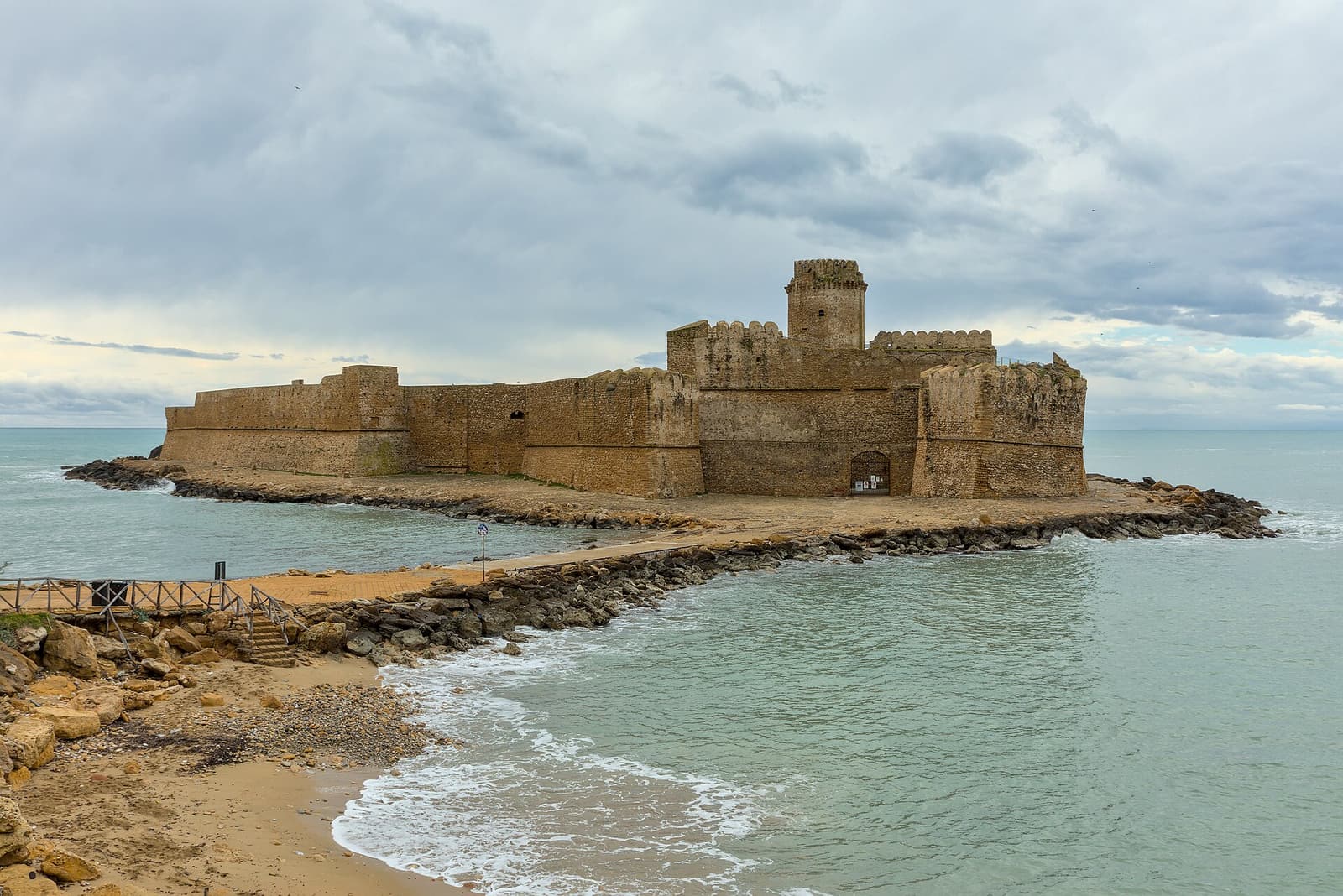
Calabria’s most photographed castle: an Aragonese fortress on a tiny islet, joined to a fishing village by a thin strip of land. Around it are clear shallows, sandy beaches and the boats of the Capo Rizzuto marine reserve.
 The Ionian coast
 Capo Rizzuto Marine Protected Area
Headlands, red sand and Posidonia meadows
One of Italy’s largest marine reserves, stretching along some 40 kilometres of coast south of Crotone. Eight headlands, watchtowers, seagrass meadows and sandy coves make it the best place in the province to snorkel, dive or take a glass-bottom boat.
 The Ionian coast
 Cirò & Cirò Marina
Calabria’s oldest wine country
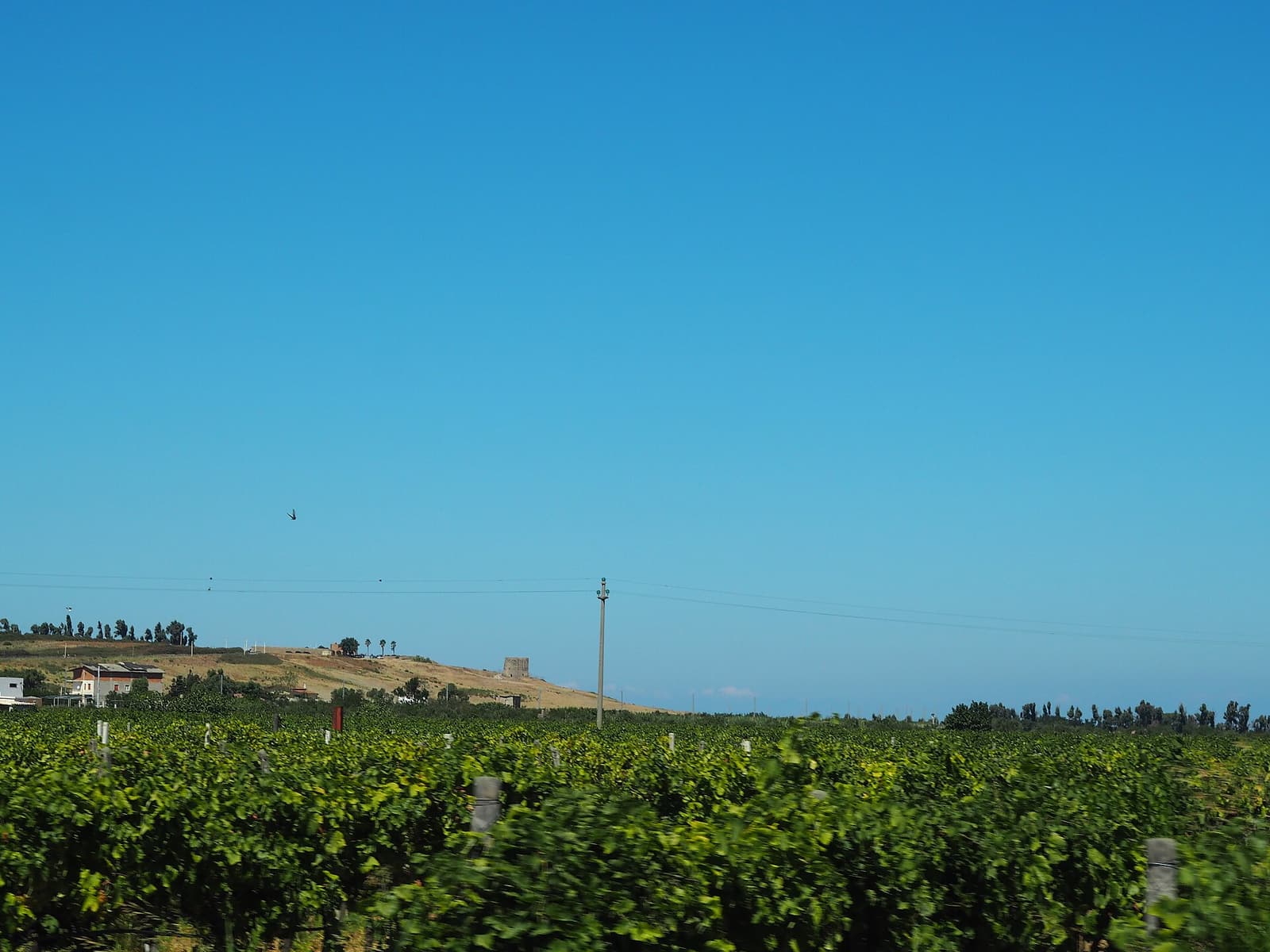
North of Crotone, vineyards of Gaglioppo run from the hill town of Cirò down to the long beaches of Cirò Marina and the cape of Punta Alice. Come for cellar visits, tastings of Calabria’s best-known red and unhurried days by the sea.
Hill towns & the Sila mountains
 Hill towns & the Sila mountains
 Santa Severina
The stone ship above the Neto valley
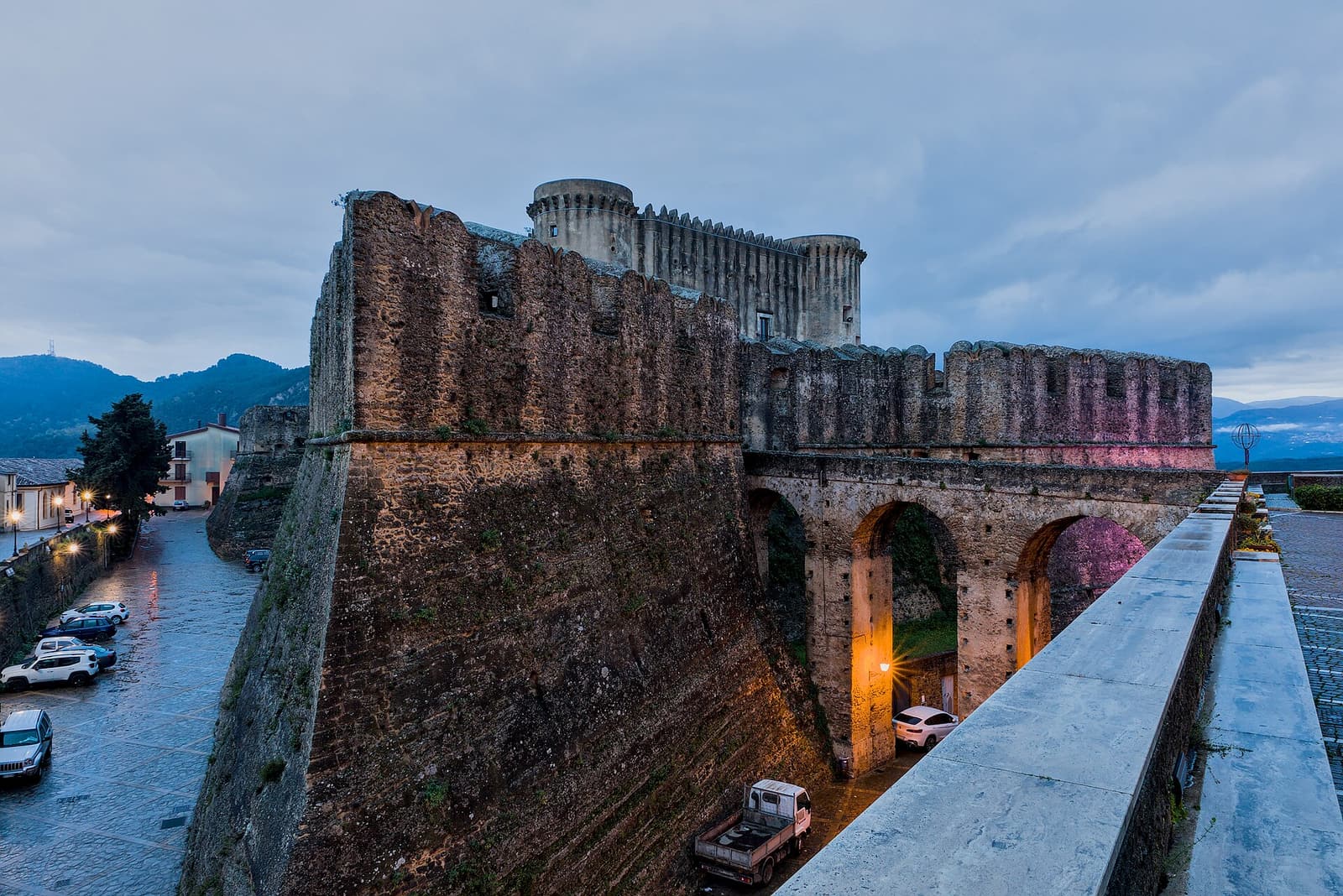
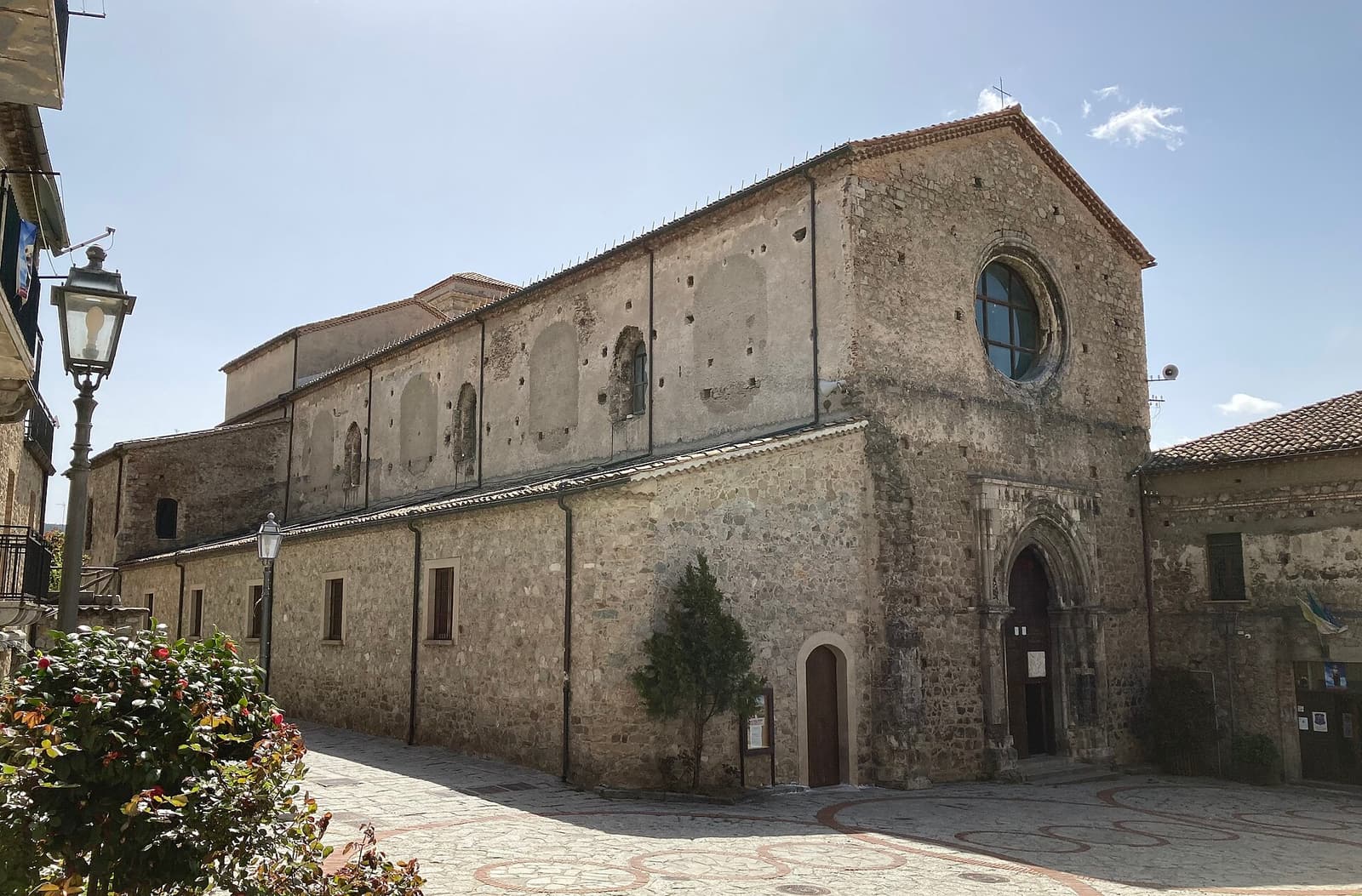
A hill town perched on a tufa crag, listed among Italy’s most beautiful villages. Its square links a Norman castle, a medieval cathedral and one of the oldest Byzantine baptisteries in Calabria.
 Hill towns & the Sila mountains
 Sila National Park
Lakes, giant pines and winter snow
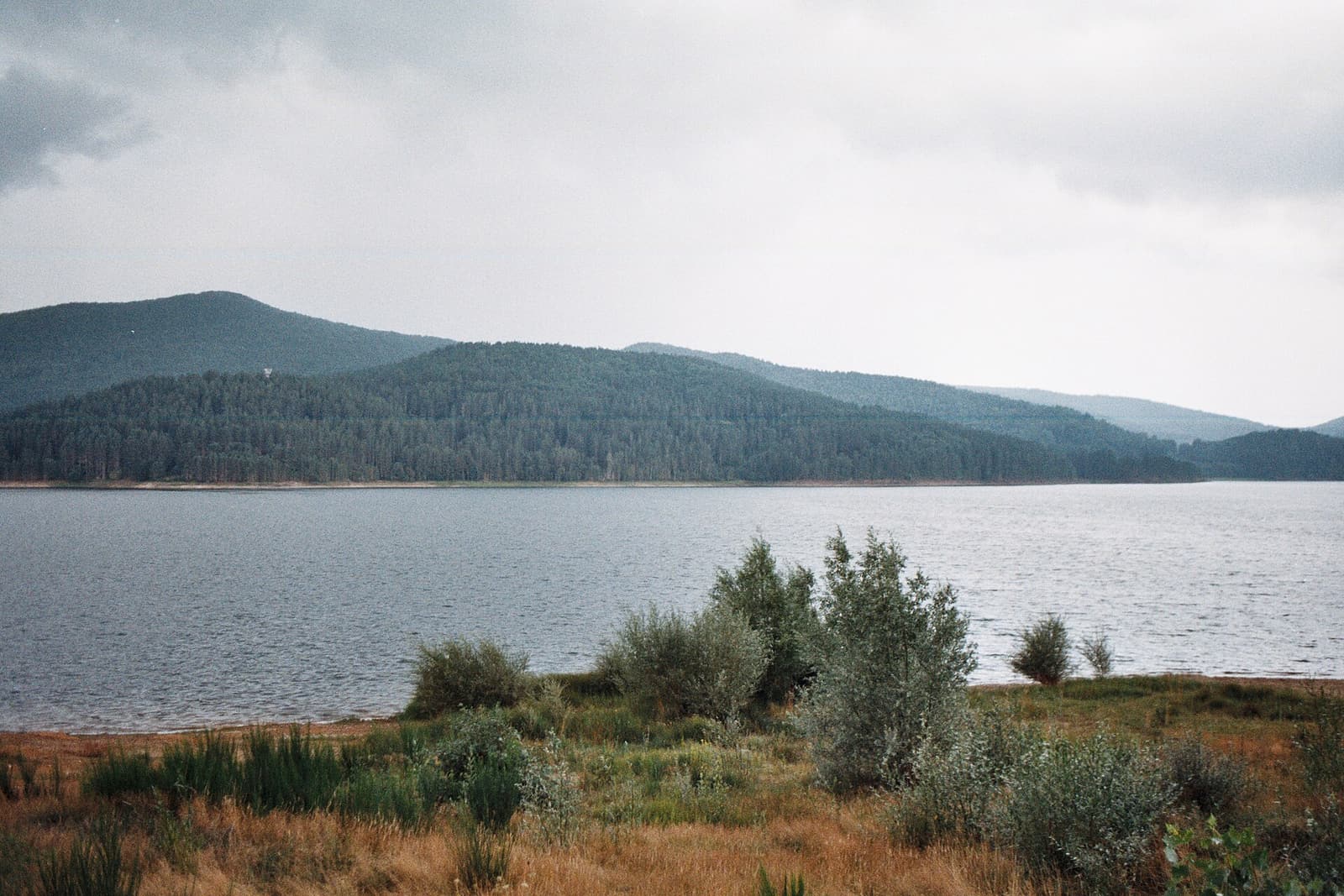
An hour or so west of the beaches, Calabria turns into a high plateau of pine forest and lakes that feels closer to Scandinavia than to the Mediterranean. Hike, cycle and picnic in summer; ski and snowshoe at Lorica and Camigliatello in winter.
 Hill towns & the Sila mountains
 San Giovanni in Fiore
The abbey town of Joachim of Fiore
The largest town of the Sila grew up around the austere abbey founded by the medieval mystic Joachim of Fiore. It is the natural stop on the road from Crotone to the mountain lakes, known for its weaving and goldsmith traditions.
 Hill towns & the Sila mountains
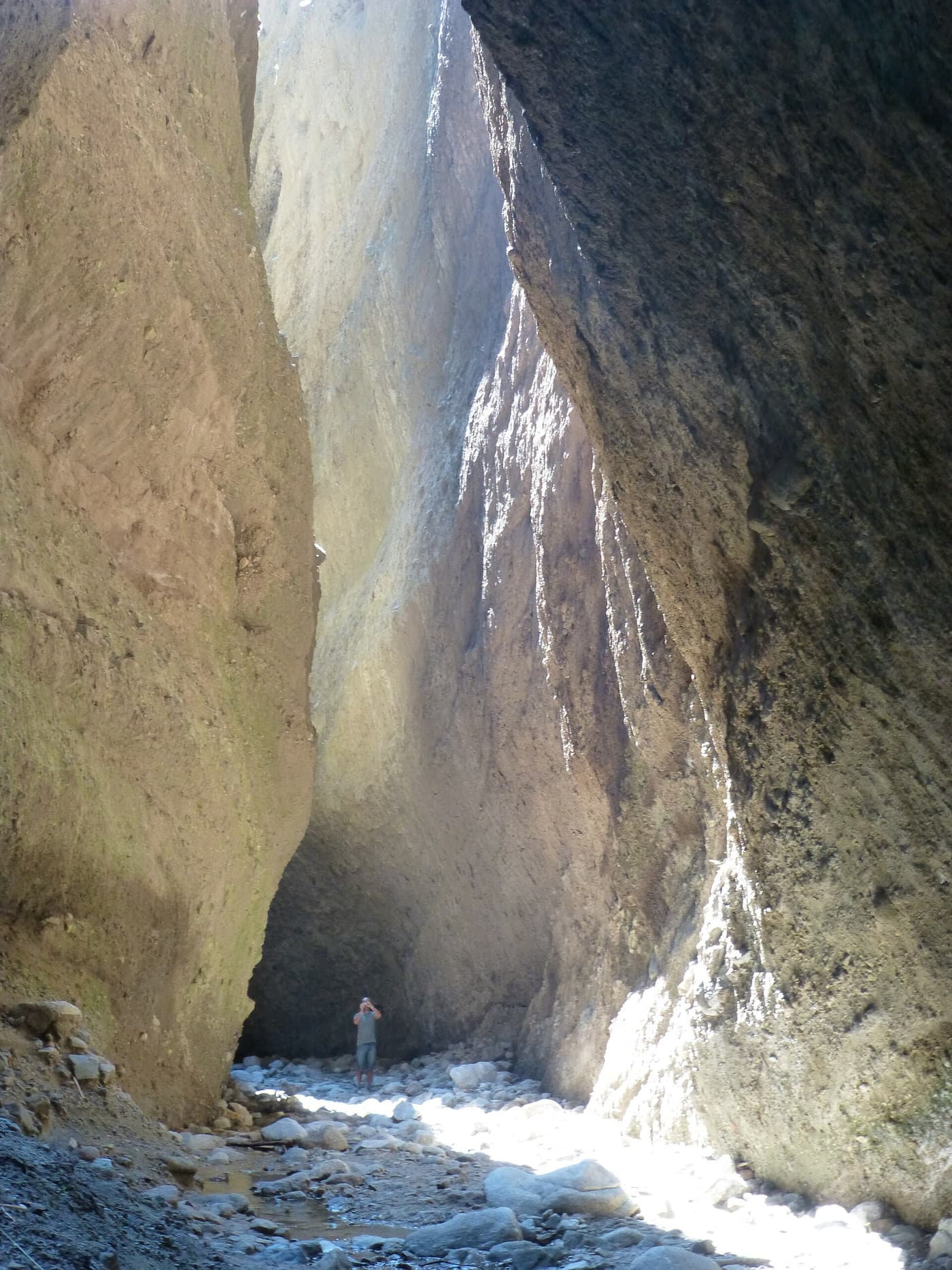
 Valli Cupe
Canyons and waterfalls of the Sila foothills
A regional nature reserve around the village of Sersale, where streams running off the Sila have cut narrow gorges, waterfalls and rock monoliths into the hillsides. It is one of the most surprising half-day hikes in central Calabria.
A perfect Crotone day: sunrise or early morning at Capo Colonna; the archaeological museum and a walk up to the castle before lunch; the afternoon swimming under the walls of Le Castella; then back to the lungomare for the passeggiata and a plate of fish with a glass of Cirò.
Plan your days in Crotone
A Greek column at sunrise, a sea fortress by sunset
Crotone’s sights are spread along sixty kilometres of coast and up into the Sila. A guided day links Capo Colonna, Santa Severina and Le Castella without the driving — compare and book in a couple of taps.